Whole-Home Sewer Repipe Done Right Through Tunnel Access
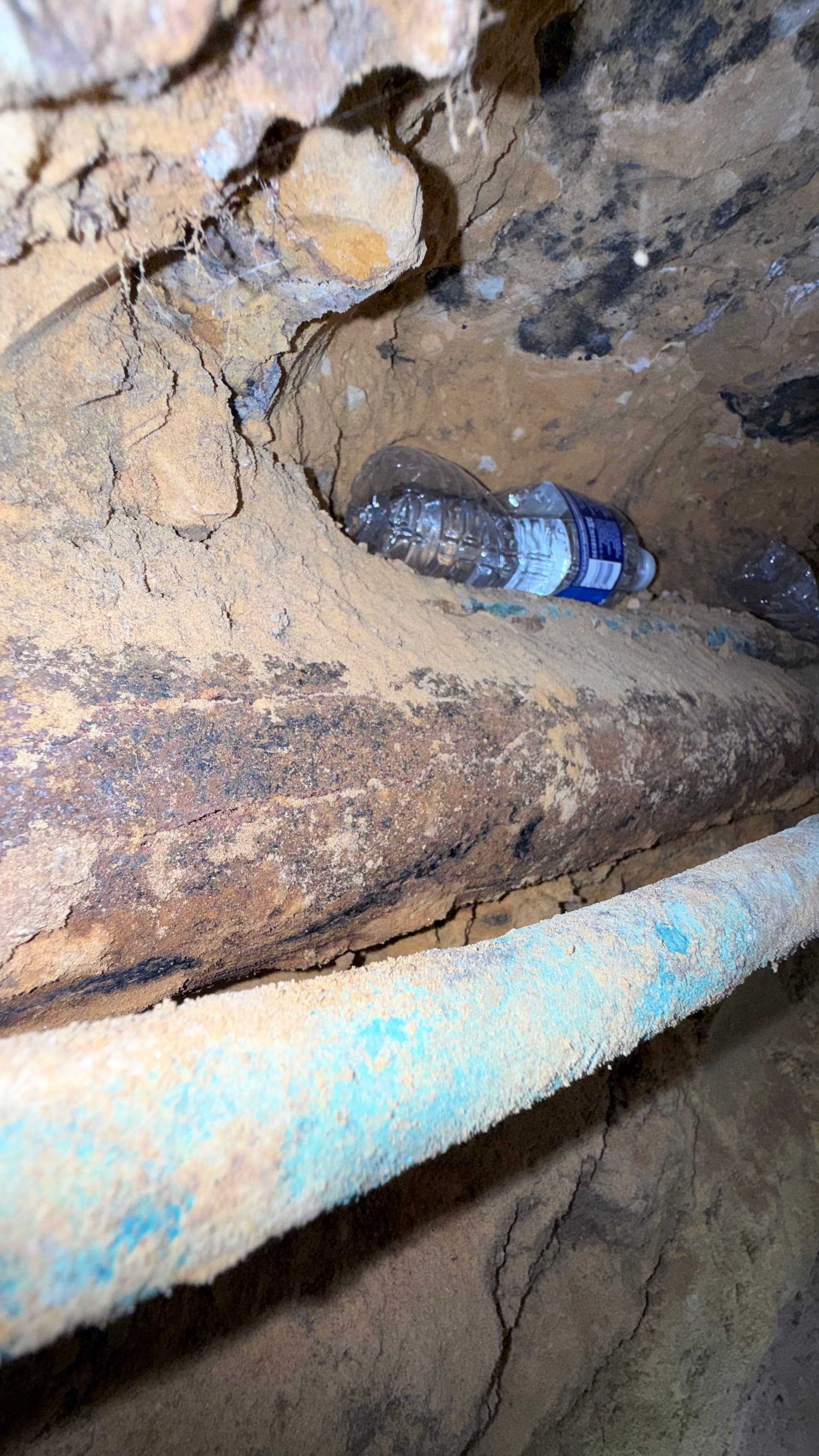
Most homeowners don't think about their sewer line until something goes wrong. And by the time it becomes a recurring problem - slow drains, backups, foul odors - the pipe underneath the house is usually in pretty rough shape. That was exactly the situation here.
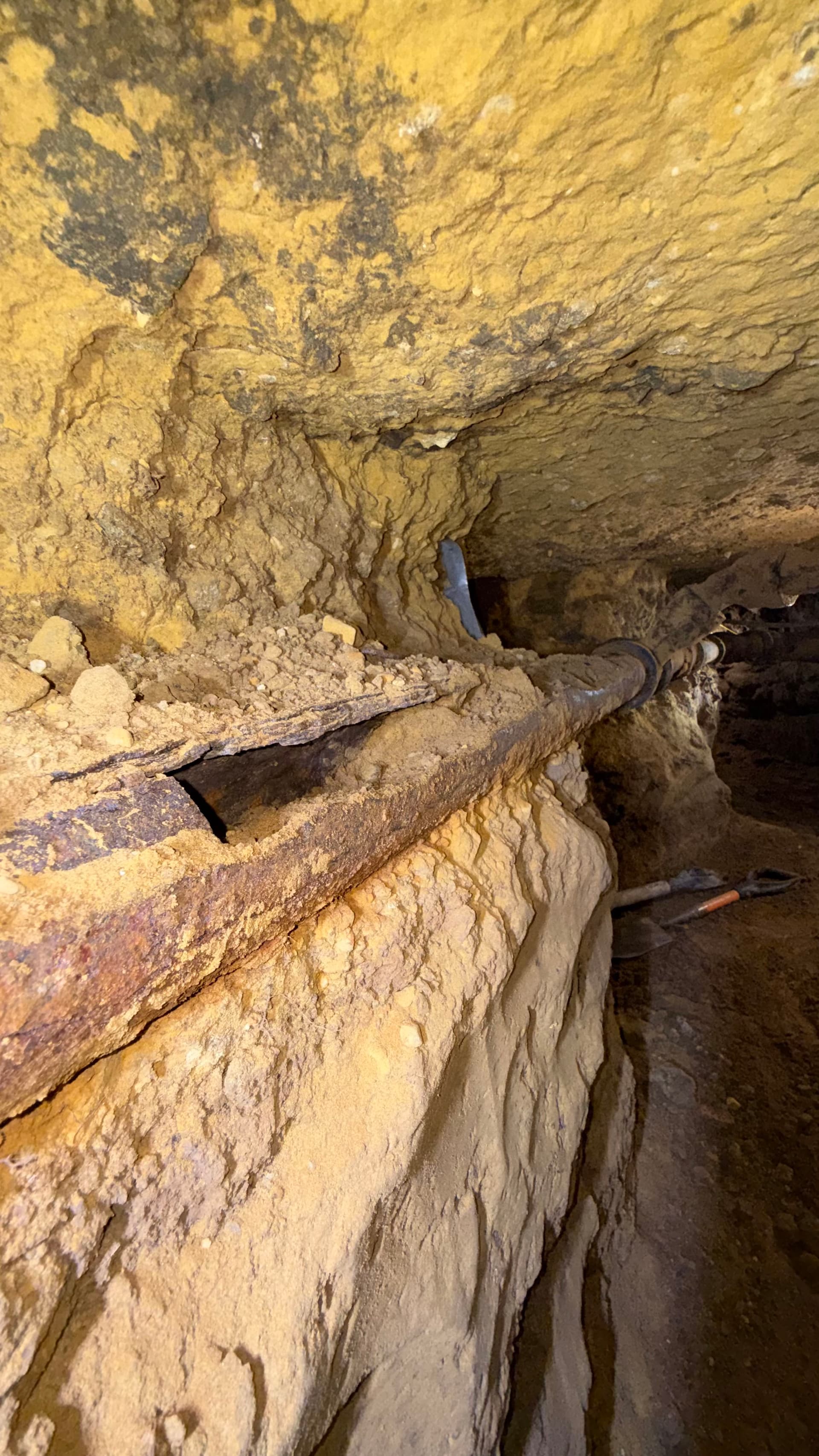
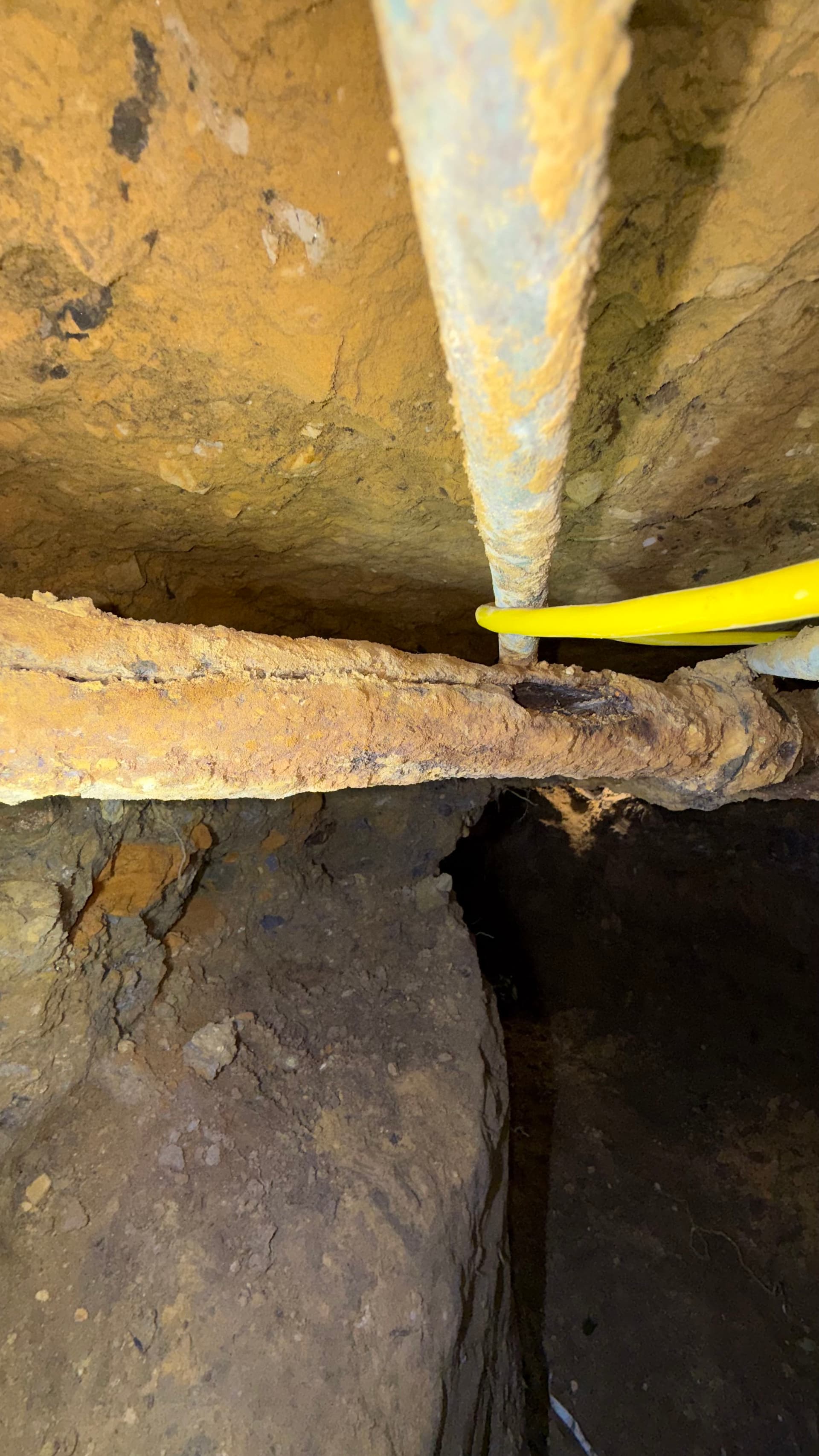
The original cast iron sewer line had seen better days. Heavily corroded, cracked, and well past the end of its useful life, it was the kind of pipe that no amount of snaking or patching was going to fix long-term. A full repipe was the only real answer. The question was how to do it without tearing up the floors inside the home.
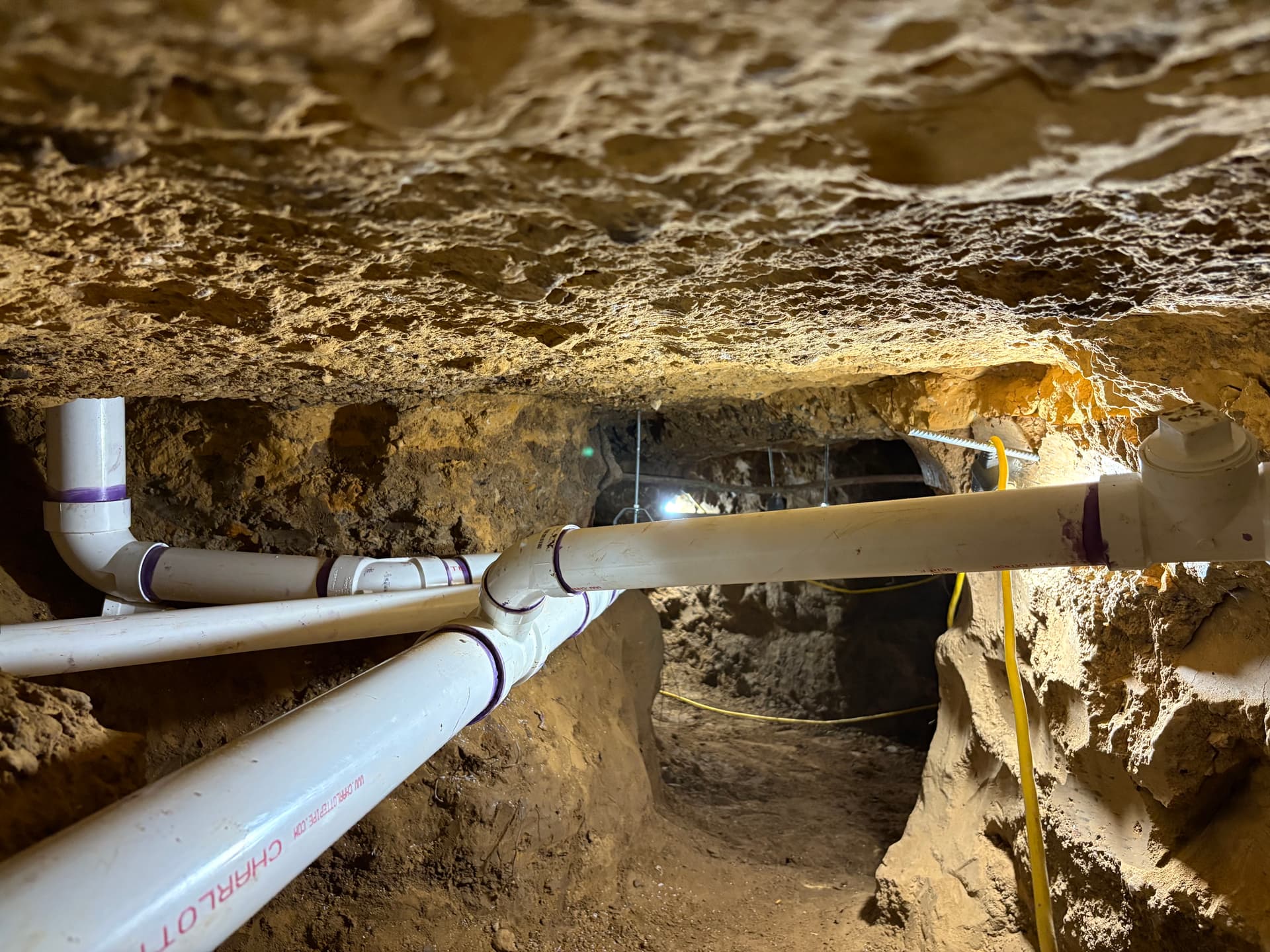
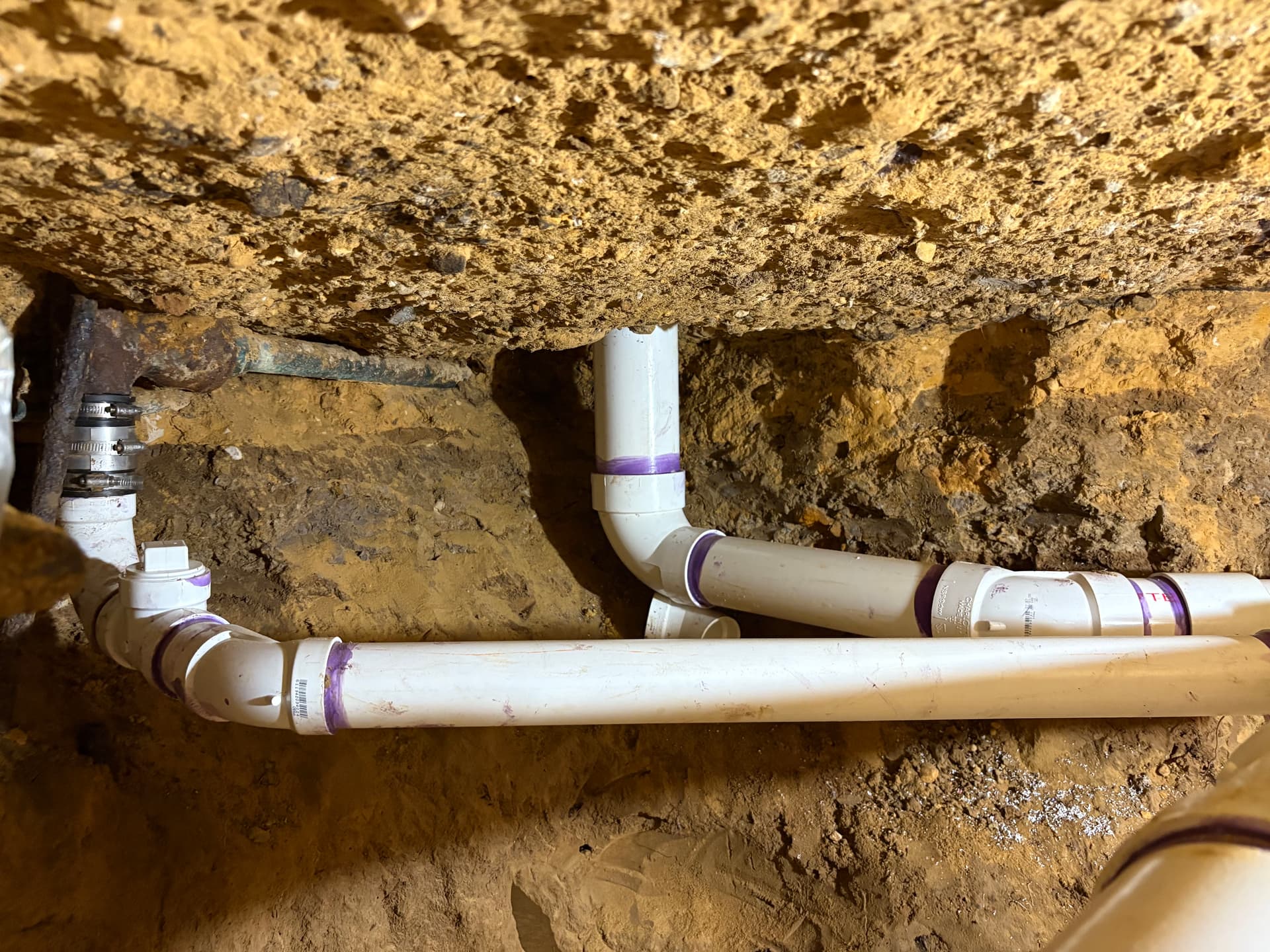
That's where tunnel access comes in. Instead of jackhammering through the interior slab, we tunneled beneath the foundation to gain access to the existing line. It's more involved work, but it protects the living space above completely. No demo, no dust inside, no floor repairs after the fact. The homeowner gets a fully repiped sewer system and the inside of their home stays intact.
We replaced everything with new PVC, properly fitted and sloped throughout. The before-and-after difference underground is stark - what was a rusted, failing cast iron system is now a clean, solid sewer line built to last. That's the kind of fix that doesn't need to be revisited.
If you're dealing with chronic sewer backups or you've got an older home with the original cast iron lines still in the ground, it's worth having someone take a real look. A lot of those pipes are at or past their end of life, and catching it before a full failure makes the whole process a lot more manageable.