Cast Iron Sewer Line Replacement Under Foundation in Bedford
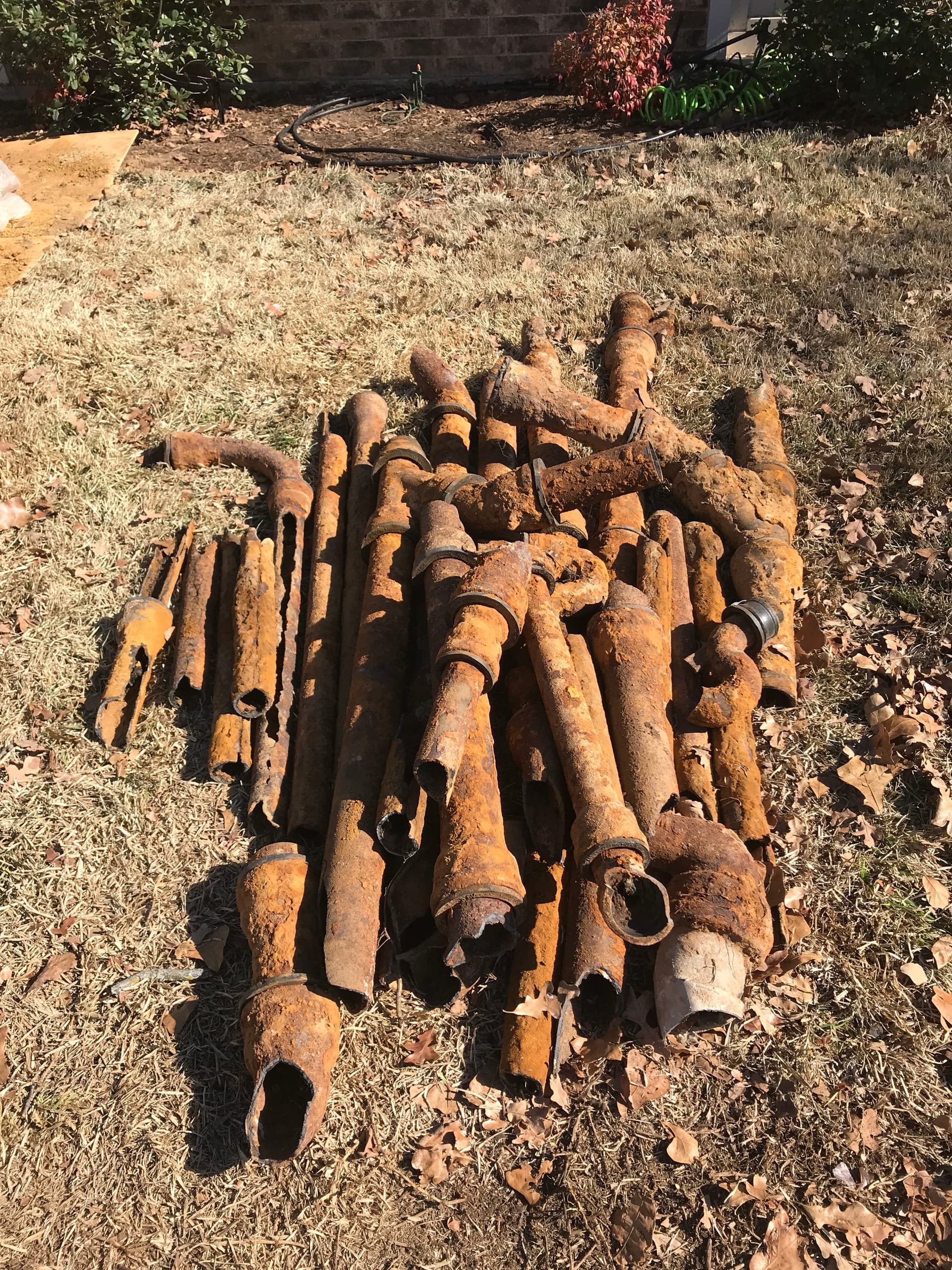
Cast iron pipes have a lifespan. When a home gets old enough, that sewer line under the foundation starts to rust from the inside out, crack, collapse, and back up. That's exactly what we were dealing with at this Bedford home. The pipe had deteriorated well past the point of patching - it needed to come out completely.
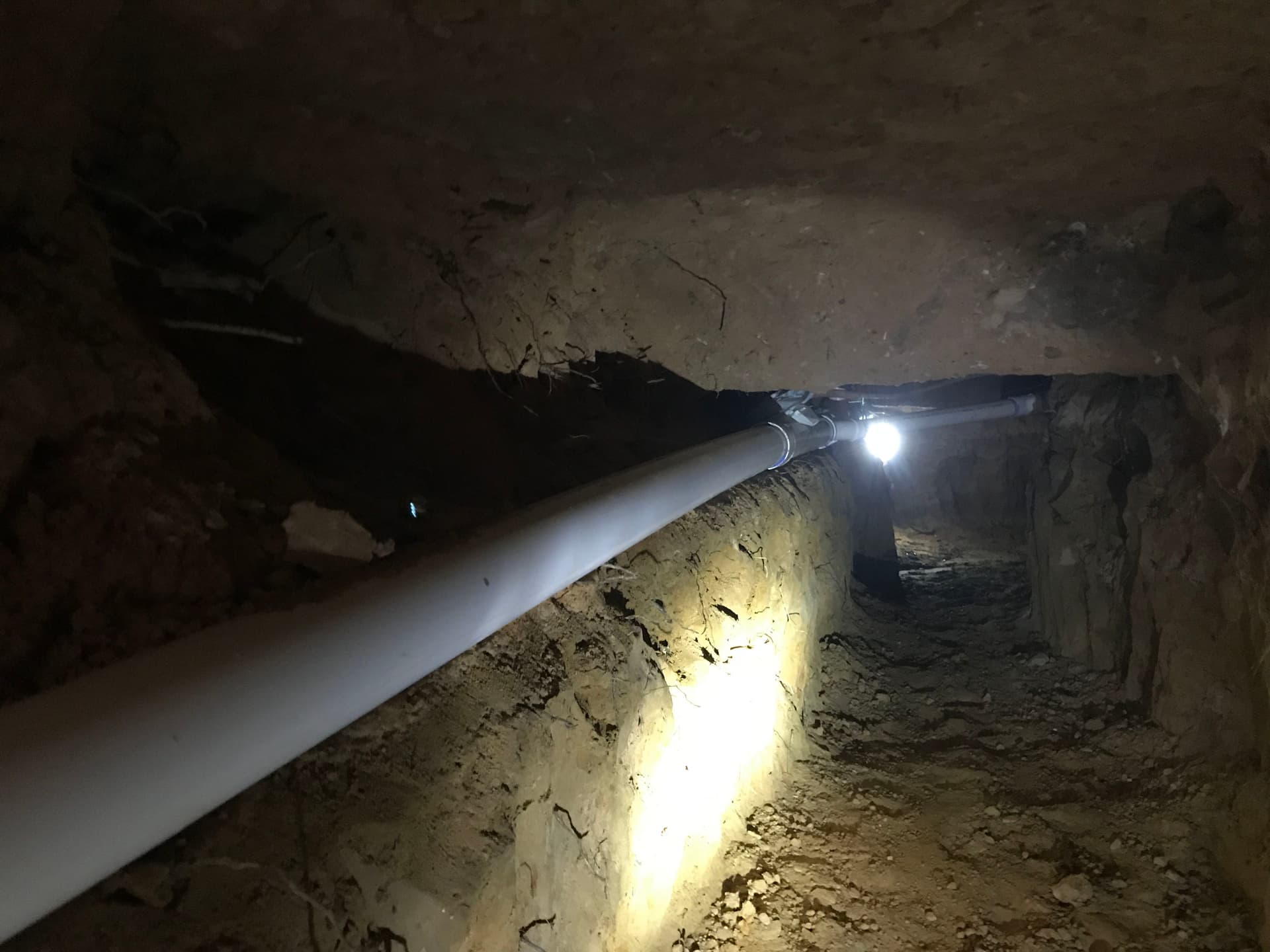
When the sewer line runs beneath a concrete foundation, you've got two options: jackhammer through the slab from inside, or tunnel under the foundation from the outside. We went with tunneling. It keeps the disruption inside the home to a minimum and gives us full access to pull the old line and run new pipe without tearing up floors.
What came out was a pile of cast iron sections that were crumbling, corroded, and in some spots had completely fallen apart. The pipe walls were so far gone they could no longer hold a proper flow - waste wasn't draining the way it should, and it was only going to get worse. That's the kind of failure that doesn't fix itself.
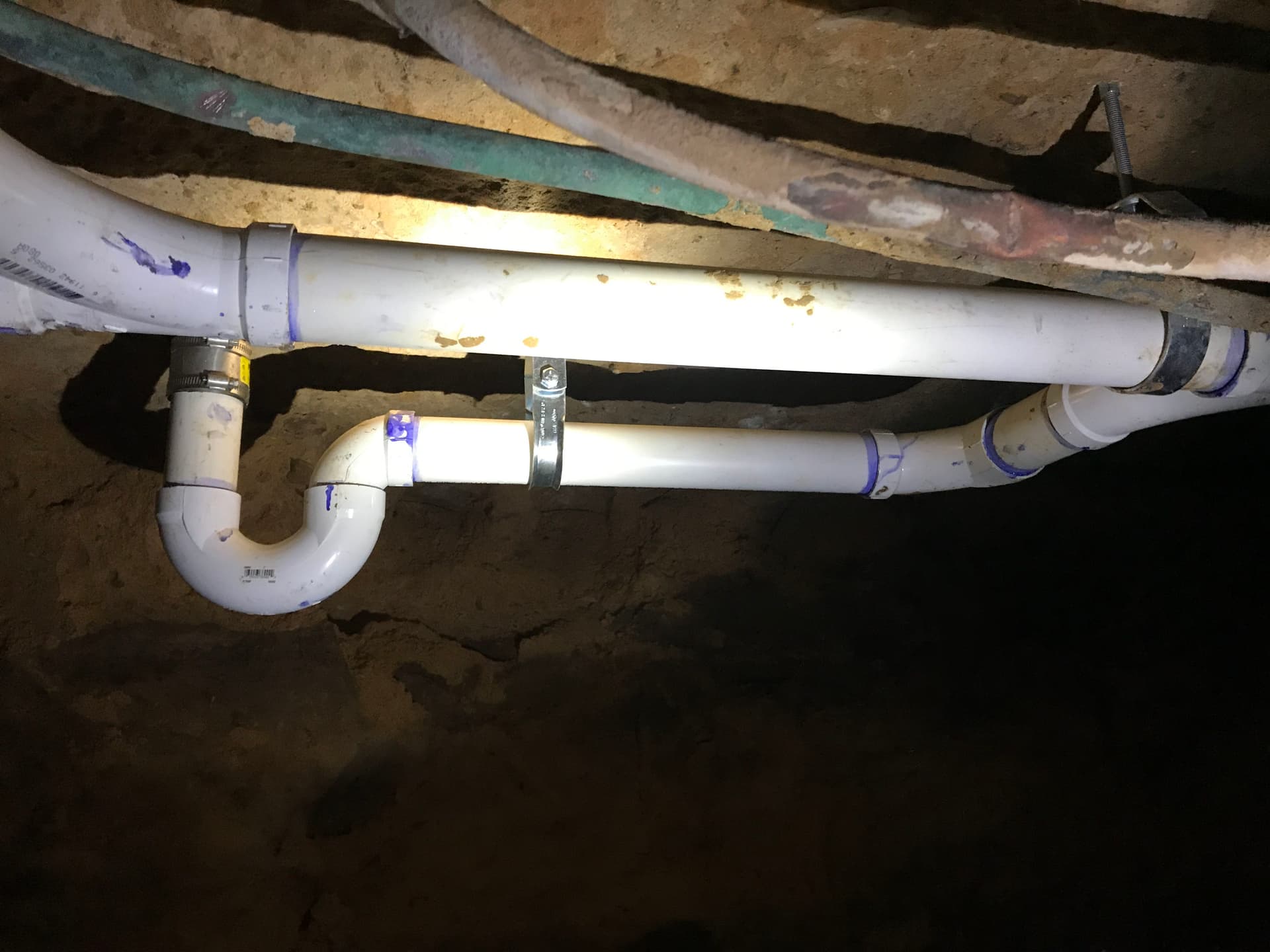
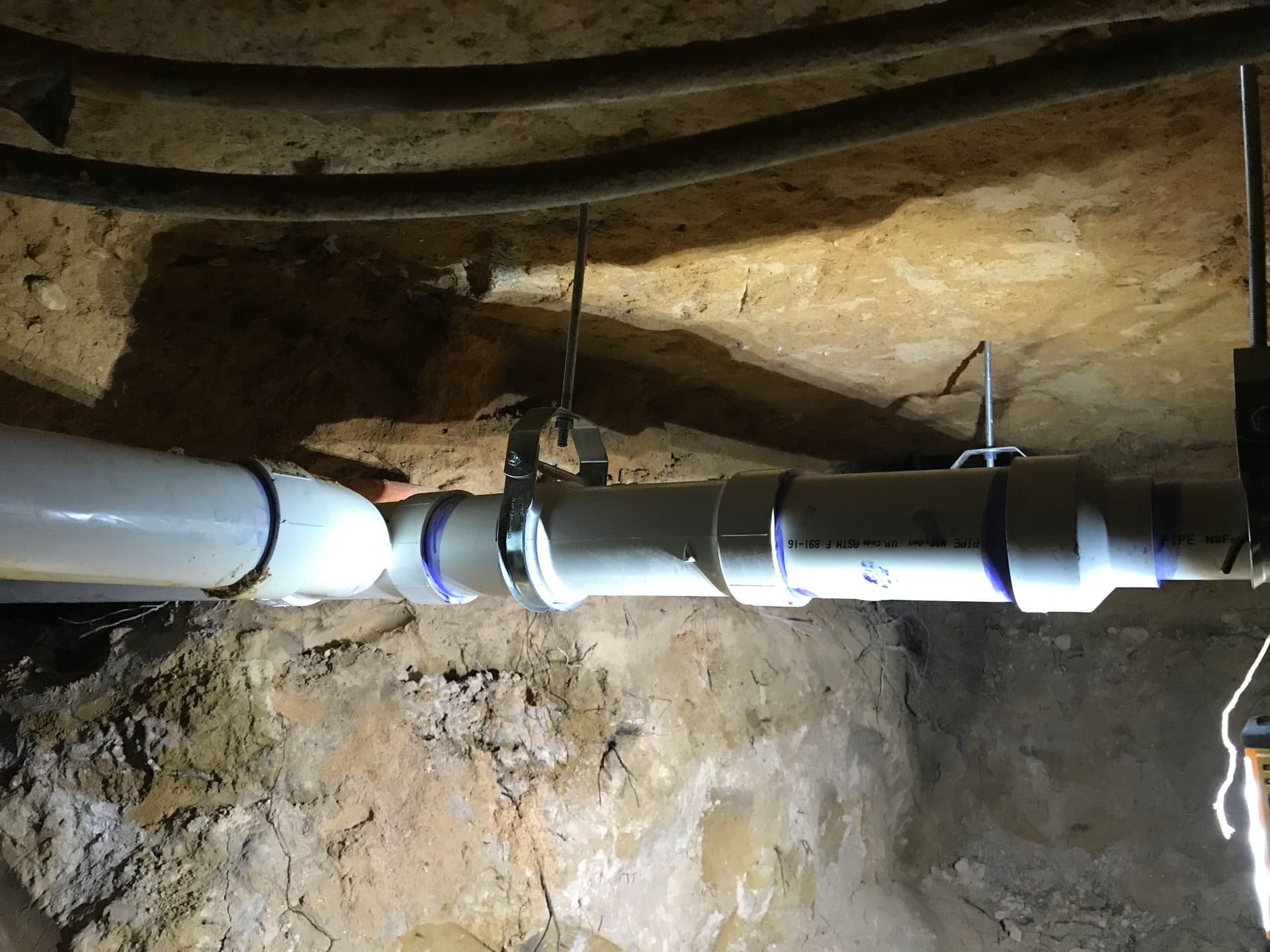
We replaced the entire failed run with new PVC, properly supported and connected under the foundation. PVC doesn't rust, doesn't corrode, and handles the job for decades without the same deterioration issues you get with old cast iron. The connections were made tight, the pipe was secured, and everything was tested before we backfilled and closed things up.
If your drains are running slow, gurgling, or backing up - especially in an older home - the problem might not be a simple clog. It could be the pipe itself. That's when you need someone who can actually get under there and handle broken pipe repair and replacement the right way, not just snake it and hope for the best.